

Dell Technologies has unveiled a new range of AI-enabled PCs powered by Qualcomm processors and announced a new server supporting Nvidia’s latest chips, set to be available from the second half of 2024. The announcements were made during an event in Las Vegas on Monday, signaling Dell’s commitment to maintaining its presence in the lucrative market for artificial intelligence servers and anticipating a recovery in the PC market following a post-pandemic slump.
The new AI-capable PCs will feature Qualcomm’s Snapdragon X series chips, which include neural processing units (NPUs) dedicated to handling complex AI tasks. Two of the five new PC models are available for pre-order starting Monday, with the remaining models expected to be released in the coming months.
Dell’s product launch coincides with Microsoft’s annual Build event, where CEO Satya Nadella introduced the “Copilot+” PCs. Dell, along with Qualcomm, Intel, and Advanced Micro Devices, are among the partners collaborating on these new AI-enhanced devices. This strategic timing highlights Dell’s competitive stance in the evolving tech landscape.
Following the announcements, Qualcomm’s shares rose nearly 2% to a record high, while Dell’s shares experienced a decline of approximately 2.6%. The market’s mixed response reflects the varied investor sentiment towards the growing focus on AI technology.
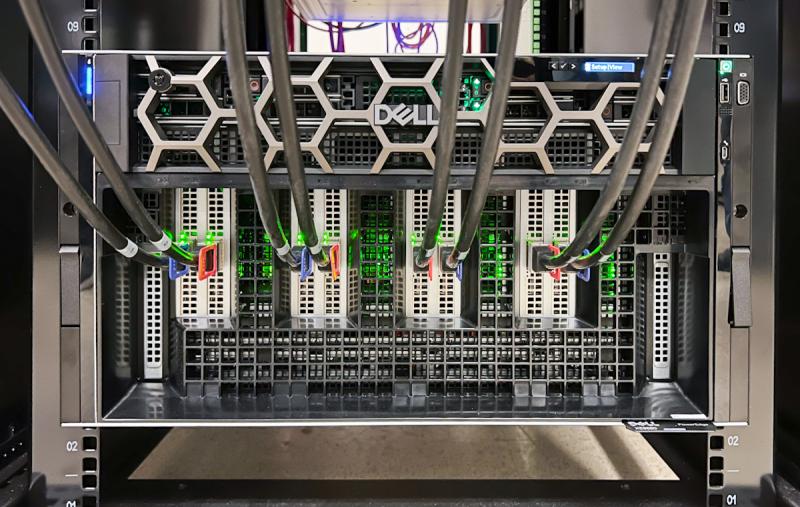
In addition to the AI PCs, Dell also launched its latest server compatible with Nvidia’s Blackwell chips. This new server features advanced liquid cooling technology, which is more energy-efficient compared to traditional air cooling methods. Arthur Lewis, president of Dell’s infrastructure solutions group, emphasized that the Nvidia-based servers are the fastest ramping product in the company’s history.
Research firm International Data Corporation (IDC) predicts that spending on AI servers will exceed $33 billion in 2024. Lewis noted that a significant portion of this spending comes from smaller companies still in the early stages of adopting new technologies, suggesting that AI investments will not drastically reduce expenditure on traditional servers. This stands in contrast to the broader market trend, where demand for traditional servers remains uncertain as enterprises prioritize faster AI servers.
Dell’s strategic moves in expanding its AI and server offerings underline its efforts to adapt to shifting market demands and leverage emerging technology trends to drive growth and innovation.