

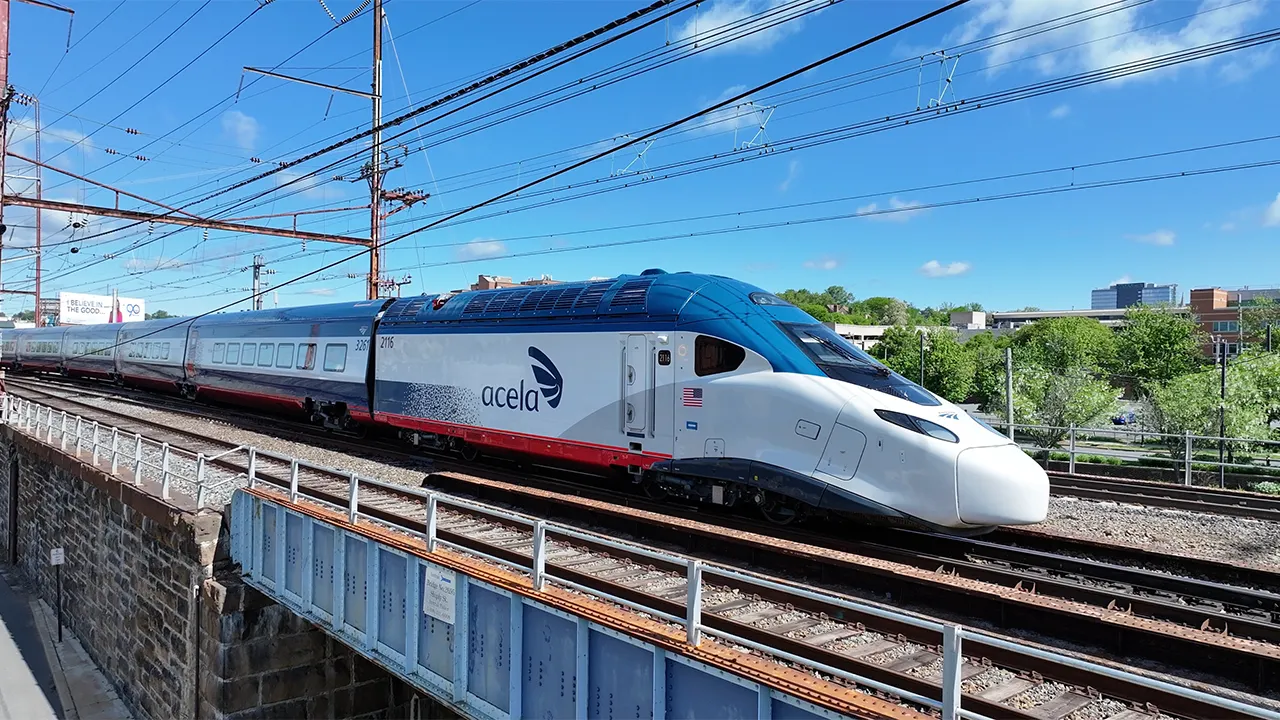
A new U.S. Senate report has revealed that Amtrak’s next generation Acela high speed train cars were delayed by more than four years due to poor planning, design challenges and track related problems. The report also noted that Amtrak pushed for higher operating speeds that were never achieved, further slowing the project.
According to the report, the delays had significant financial consequences. Amtrak’s 2.3 billion dollar programme to replace its high speed trains on the busy Northeast Corridor led to an estimated 287 million dollars in lost revenue and unexpected maintenance costs. These losses came from having to keep the aging Acela trains in service far longer than planned.
The findings were released by the chair of the Senate Commerce Committee, Ted Cruz, who said the extended use of the older fleet placed additional strain on Amtrak’s operations. The report highlights how technical and infrastructure issues can severely affect large scale transport projects.
Overall, the Senate report raises concerns about project management and decision making within Amtrak, especially on critical infrastructure investments. It also underscores the need for more realistic planning to avoid costly delays in future rail modernisation efforts.