

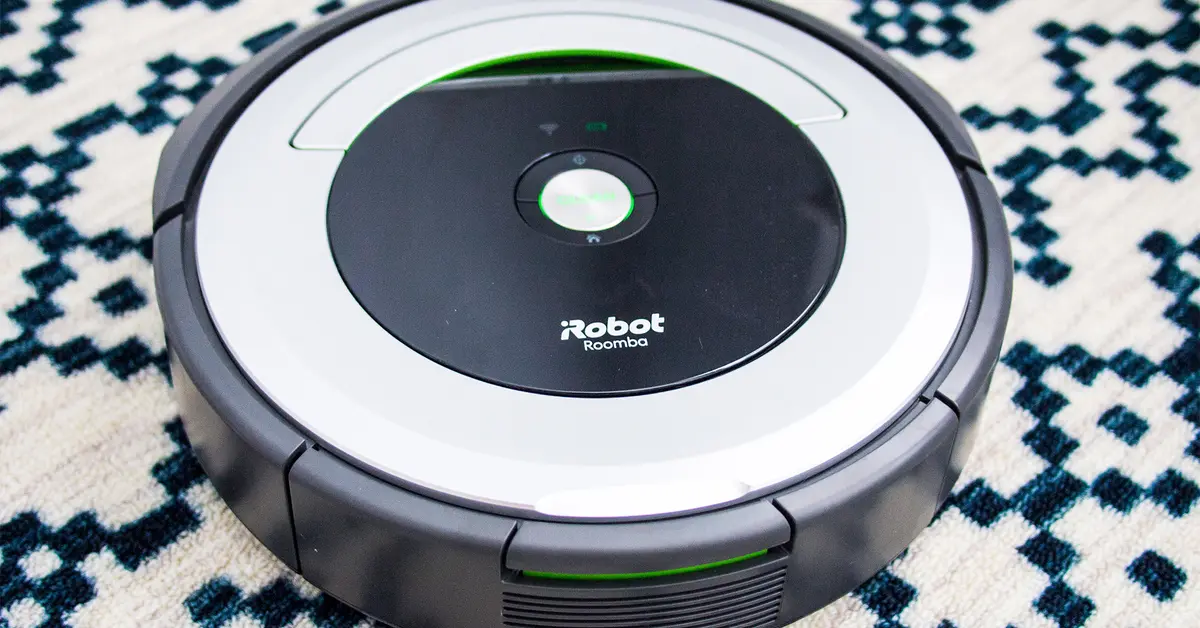
iRobot’s fall into bankruptcy reads like the closing chapter of a once‑dominant pioneer in consumer robotics. The company that made the Roomba a household name found itself unable to withstand the pressure of cheaper rivals, particularly from China, where firms like Picea Robotics have mastered the art of scaling production at lower costs. What was once a symbol of American ingenuity is now being absorbed into the global tide of competition, with iRobot’s legacy shifting into the hands of overseas manufacturers who are eager to claim the mantle of leadership in home robotics.
The collapse of Amazon’s planned acquisition only deepened iRobot’s troubles. Announced with great fanfare in 2022, the deal promised to give Amazon a foothold in the robotics market, but European regulators blocked it on antitrust grounds. Without Amazon’s resources and reach, iRobot was left exposed, burdened by debt and unable to keep pace with rivals. The failed takeover is a reminder of how regulatory scrutiny can reshape entire industries, curbing the ambitions of tech giants while leaving smaller innovators vulnerable to market forces.
Competitors have wasted no time stepping into the vacuum. Picea Robotics, poised to acquire iRobot, is now positioned as a global leader in consumer robotics, while other firms like WeRide and Pony.ai are expanding into adjacent fields such as autonomous vehicles. The robotics industry is increasingly defined by hybrid approaches that blend affordability with artificial intelligence, and the race to dominate this space is intensifying across regions from Asia to Europe.
For the broader market, iRobot’s downfall is both cautionary and transformative. It shows how high research costs, uncertain profitability, and reliance on strategic partnerships can undermine even the most recognizable brands. With Amazon sidelined and Chinese firms ascendant, the balance of power in robotics is shifting eastward. Innovation pipelines are being redrawn, and the next wave of breakthroughs may well emerge from Europe and Asia rather than the United States, reshaping the future of robotics in ways that iRobot once seemed destined to lead.